

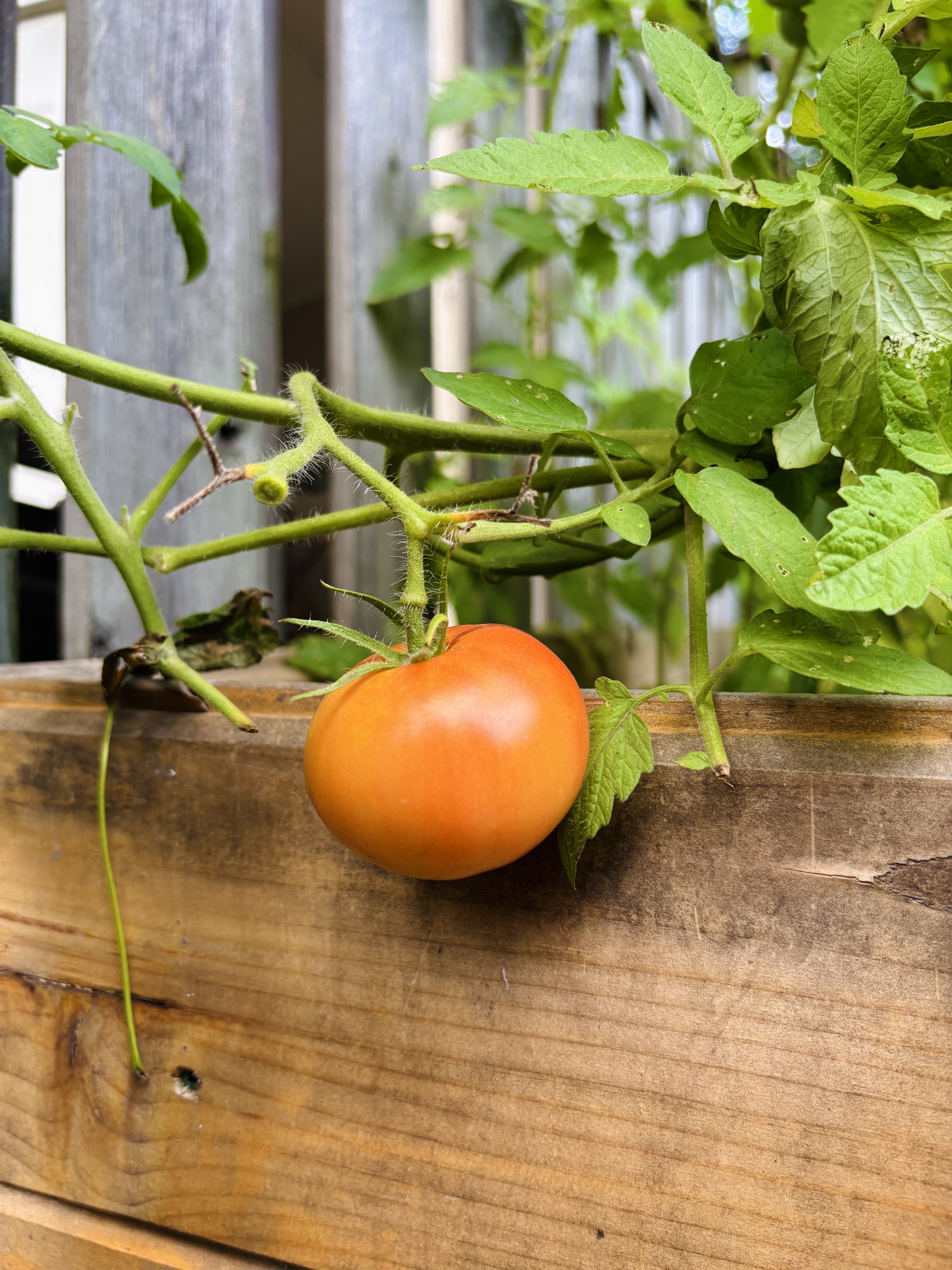
Have you ever thought about starting your own garden? Whether you have a spacious backyard or just a sunny balcony, growing your own garden can be a rewarding and fulfilling experience. Not only does it provide you with fresh, organic produce right at your doorstep, but it also connects you with nature and may offer health benefits.
Why start a garden?
1. Fresh, Nutrient-Dense Produce:
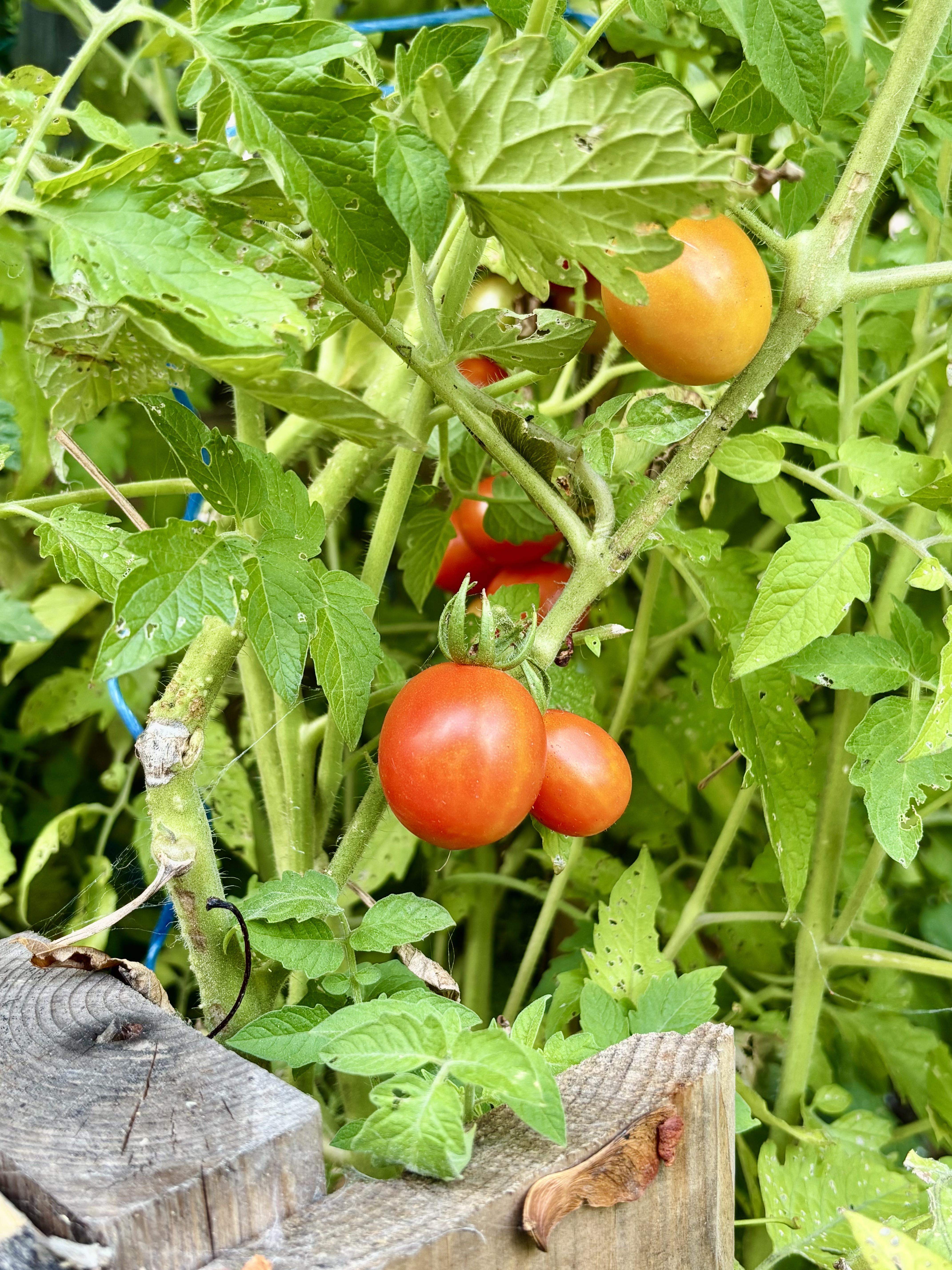
There’s nothing quite like picking ripe tomatoes, crisp lettuce, or fresh herbs right from your garden and incorporating them into your meals. I love to pick fresh basil from my backyard and eat it on top of sourdough bread with cheese. Yum! Homegrown fruits and vegetables are often richer in nutrients compared to store-bought varieties, as they are harvested at peak ripeness.
Can growing your own food be linked to health?
2. Cost-Effective:
Growing your own food can save you money in the long run. Once you’ve invested in basic gardening supplies like seeds, soil, and tools, your ongoing costs are minimal. Plus, you can grow expensive or hard-to-find produce varieties without paying premium prices. Check out what’s in season in your region. These plants are more likely to have large harvests.
Many people find they can’t always finish a whole package of vegetables such as spinach. Picking something right out of your garden allow you to use just what you need. I like to grow kale because it produces large harvests, and use it for soups and salads.
3. Environmental Benefits:
By gardening organically, you reduce your carbon footprint and contribute positively to the environment. You can compost kitchen scraps to create nutrient-rich soil, reduce packaging waste associated with store-bought produce, and promote biodiversity in your local ecosystem.
4. Health and Well-being:
Gardening is a therapeutic activity that can reduce stress, improve mood, and increase physical activity levels. It’s a great way to get outdoors, soak up vitamin D, and stay active. It also makes for a peaceful place where you can unplug from the busy world.
5. Educational and Empowering:
Gardening provides an opportunity to learn about plant life cycles, soil health, and sustainable practices. It’s a hands-on way to teach children (and adults!) about where food comes from and the importance of caring for the environment.
How to get started
1. Assess Your Space:
Determine how much space you have available for gardening. Even if you only have a small balcony or patio, container gardening can be highly productive. Consider factors like sunlight exposure and access to water. You can buy wooden planters, or smaller containers. Make sure whatever you use has holes at the bottom to allow for drainage.
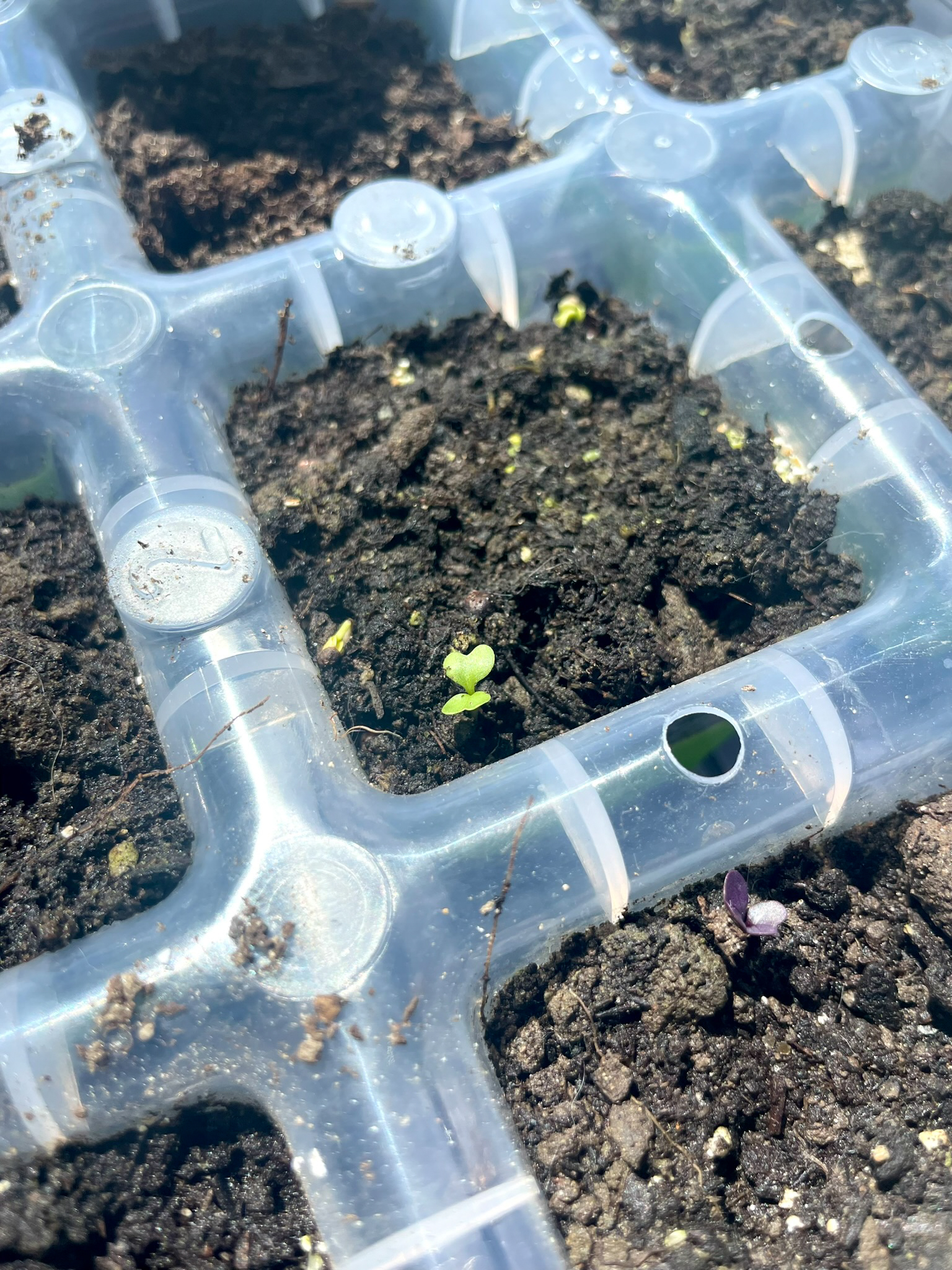
If you want to start early and grow your seeds inside before moving them outside during growing season, choose somewhere warm or close to direct sunlight.
2. Choose Your Plants:
Do a little research to select plants that are well-suited to your climate and growing conditions. Start with easy-to-grow vegetables and herbs such as tomatoes, lettuce, basil, and peppers. Grow Veg.com provides a guide on almost every plant to find out when and where it grows best. Consider including pollinator-friendly plants like lavender or sunflowers to attract beneficial insects likes bees and birds.
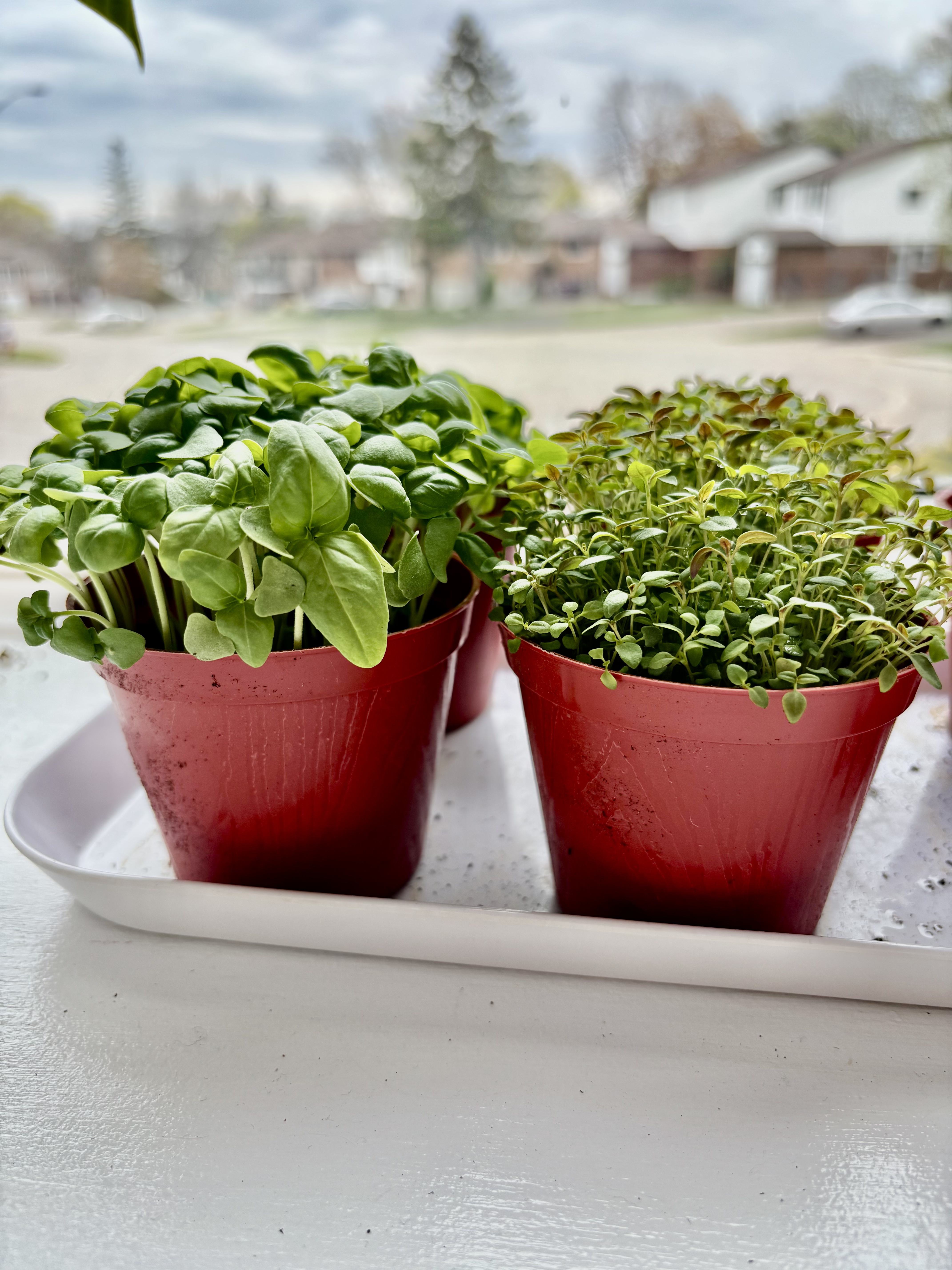
You can also purchase pre-planted ones if you want to skip the seed process. I recommend starting from seed to get the full experience but there’s no shame in starting this way either!
3. Prepare Your Soil:
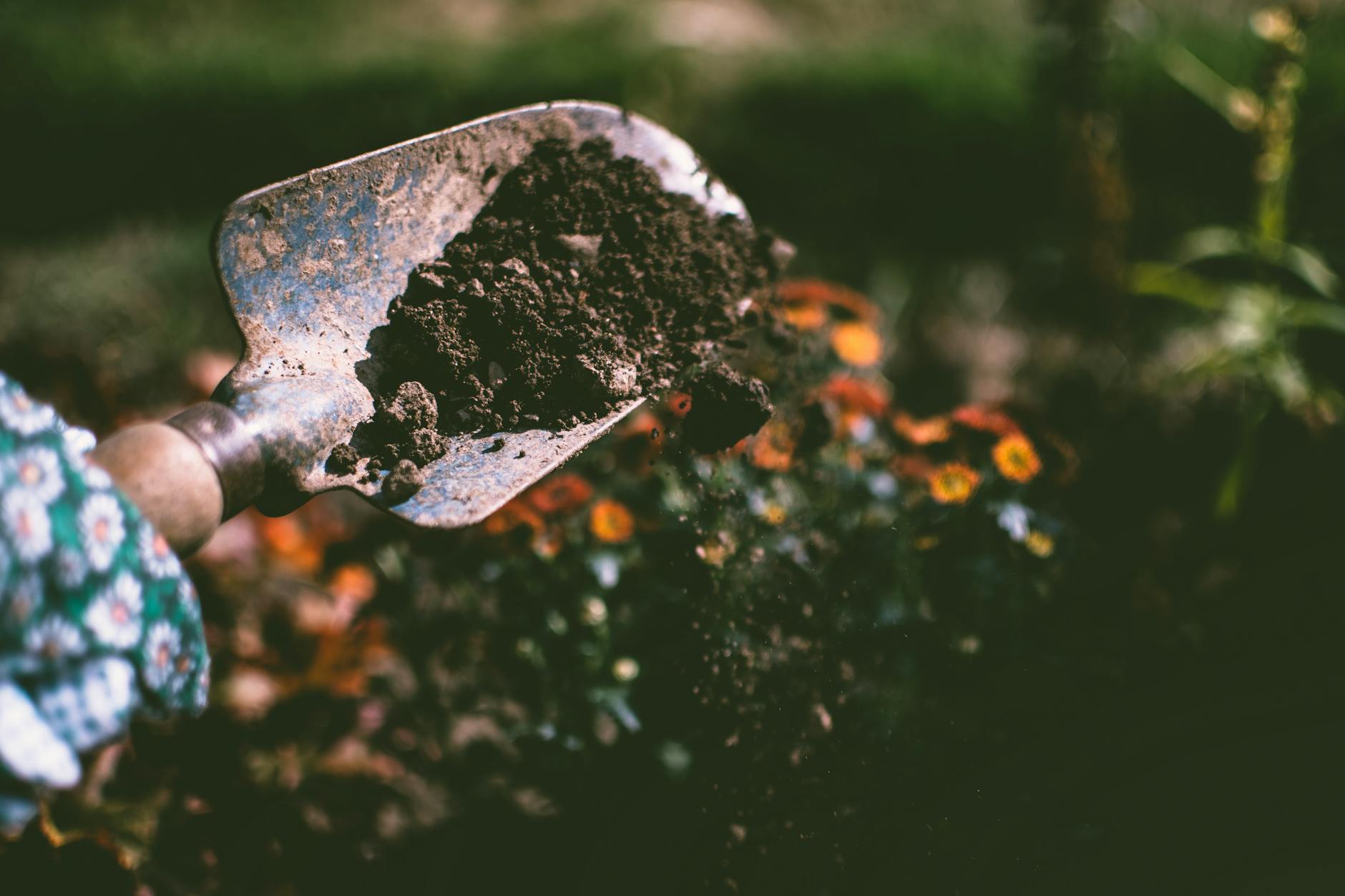
Healthy soil is essential for successful gardening. Ensure your soil is well-draining and enriched with compost or organic matter. You can purchase soil amendments or create your own compost pile using kitchen scraps and yard waste. I like to repurpose egg shells that are rich in calcium by grinding them and sprinkling them in the soil.
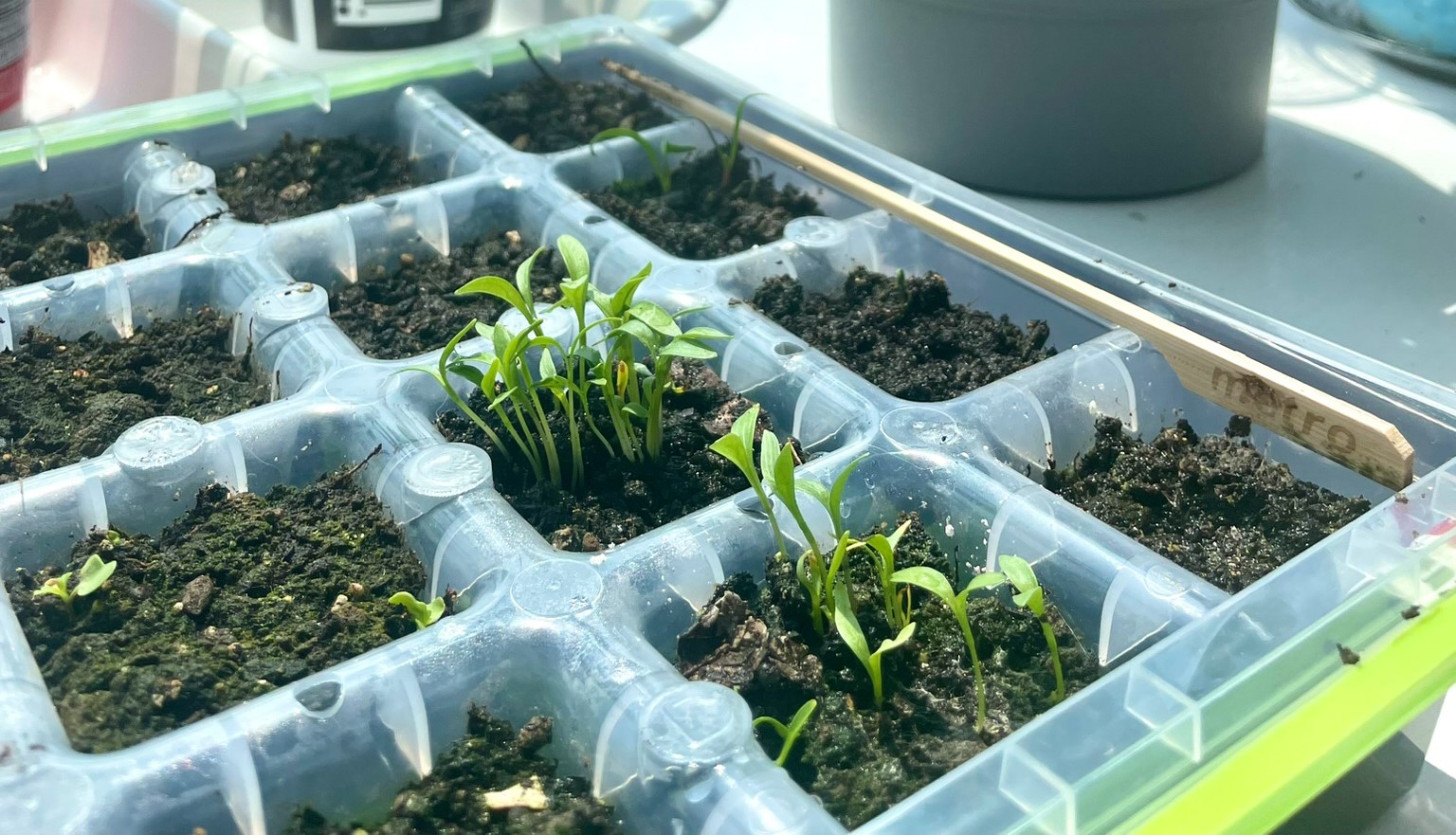
You may consider starting early by planting your seeds indoors before growing season. You can use any container with holes in the bottom and fill it with soil before adding the seeds.
Here are 6 tips for healthy soil in your garden.
4. Plant and Maintain:
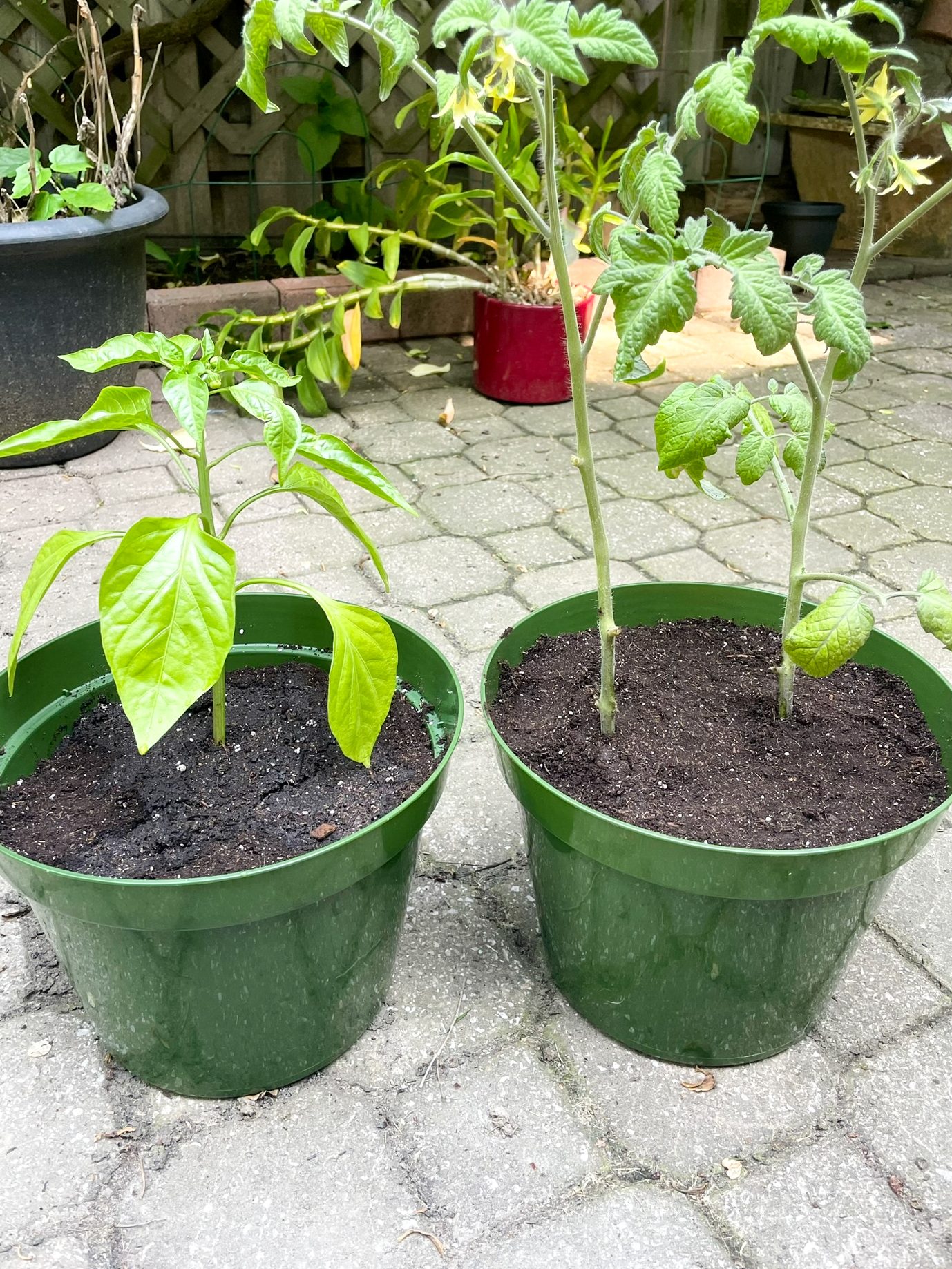
Follow planting instructions on seed packets or plant labels regarding spacing, depth, and watering requirements. If you are starting from indoor plants, transfer them to your outdoor garden after the last frost (usually late May-early June if you live in southern Canada for example). As the plants grow taller, so will their roots. They may need to be replanted to deeper containers as they flourish. Plants like tomatoes tend to grow quite tall; tying a stick or pole to the plant can help keep them upright.
Regularly monitor your garden for pests and diseases, and practice organic pest control methods if needed. You may add small garden fences around the plants to keep critters away. Water daily or every other day, in the early morning or after the sun has gone done. Provide more water if the soil looks or feels dry.
5. Harvest and Enjoy:
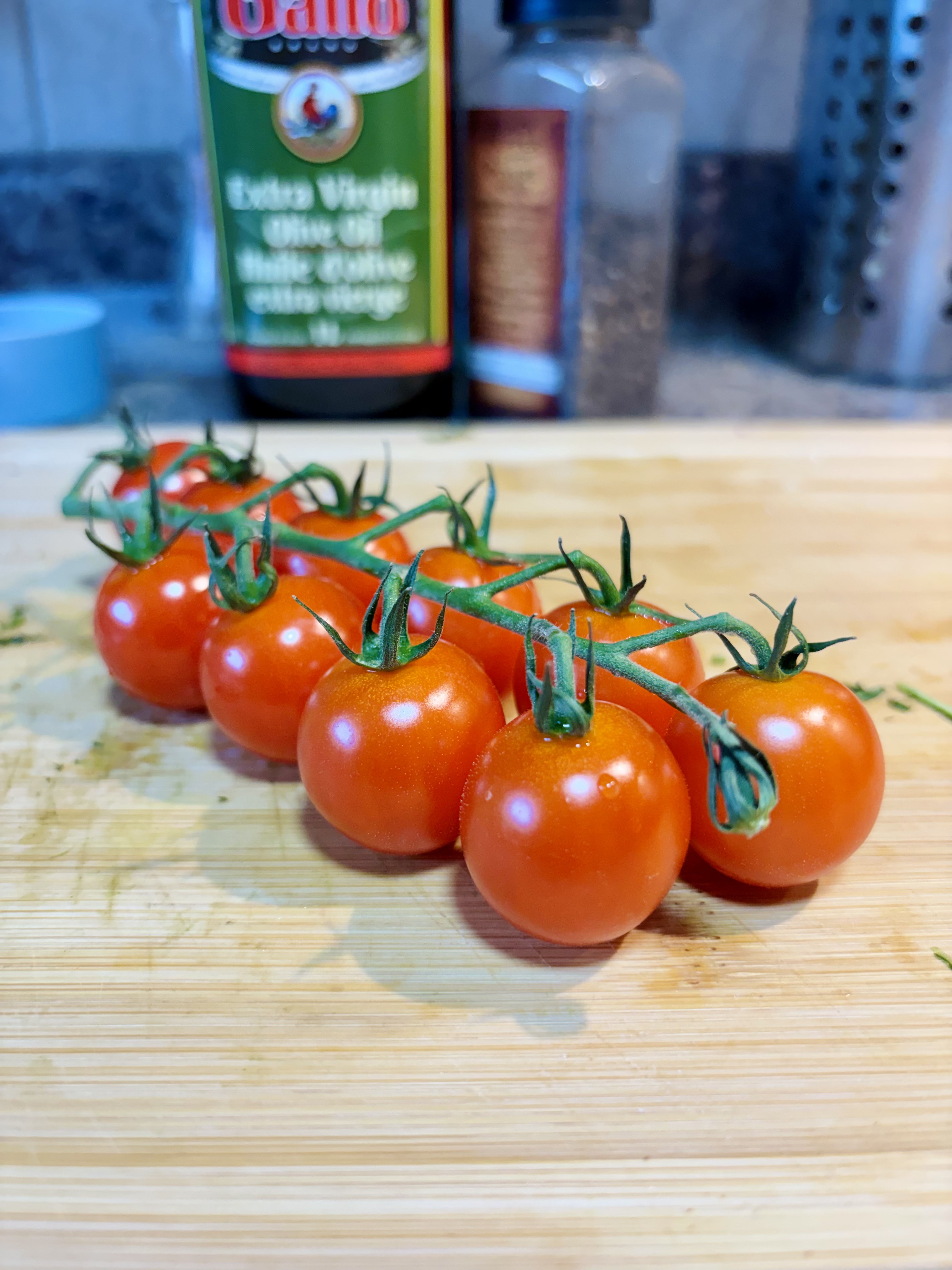
Harvest your crops when they are ripe and enjoy the satisfaction of eating food you’ve grown yourself. Get creative in the kitchen with fresh recipes that showcase your homegrown produce. Check out recipes.
Discover more from Flourish with food
Subscribe to get the latest posts sent to your email.


fabulous! 62 2025 Gardening 101: Discover the Benefits of Growing Your Own Garden and How to Start captivating
LikeLiked by 1 person