

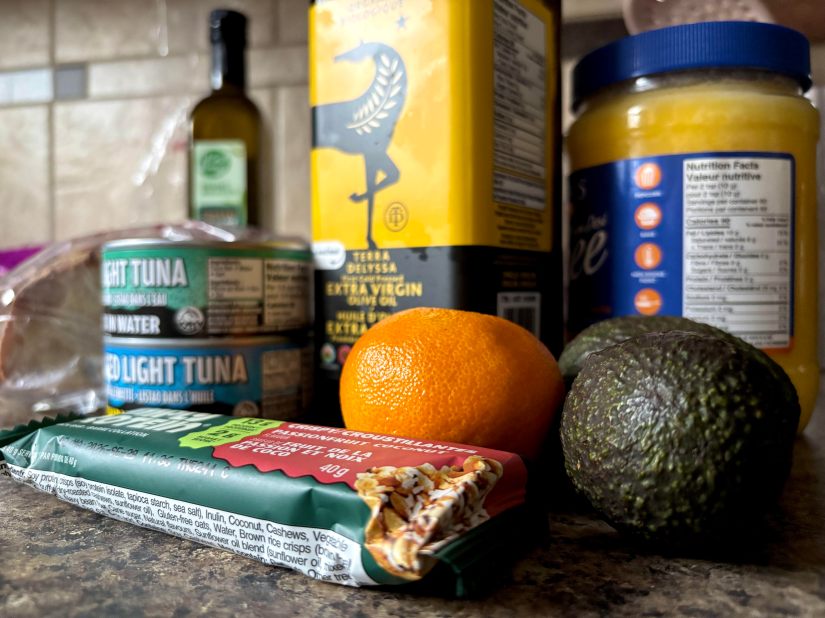
If you’ve ever heard advice like “avoid processed foods” and felt confused, you’re not alone. Almost all foods are processed to some degree, yet not all processed foods affect our health in the same way. As a registered dietitian, I often see people feeling unnecessary fear or guilt around the word processed.
This guide will help you understand what processed foods actually are, the different categories, and what it means for your everyday food choices – without fear or extremes.
What Does “Processed” Mean?
At its simplest, food processing refers to any change made to a food before it is eaten. This can include washing, cutting, cooking, freezing, fermenting, or packaging.
Processing exists for many important reasons:
- To make food safe to eat
- To extend shelf life and reduce food waste
- To improve convenience and accessibility
- To preserve nutrients or improve absorption
Because of this, processing is not inherently bad. The key is understanding the type and degree of processing.
Categories of Processed Foods
Many health professionals use a framework similar to the NOVA classification system, which groups foods based on how much processing they undergo.
1. Unprocessed or Minimally Processed Foods
Foods close to their natural state; may be washed, cut, frozen, or cooked
Examples: fresh or frozen fruits and vegetables, eggs, plain milk, dry beans, rice, fresh meat or fish
2. Processed Culinary Ingredients
Ingredients extracted from foods and used in cooking, not usually eaten alone
Examples: oils, butter, sugar, honey, maple syrup, salt
3. Processed Foods
Minimally processed foods with added salt, sugar, or fat for preservation or flavour
Examples: canned vegetables or beans, cheese, yogurt with fruit, bread, canned fish
4. Ultra-Processed Foods
Industrially formulated foods with additives not commonly used in home cooking
Examples: soft drinks, chips, candy, instant noodles, fast food, sweetened cereals
1. Unprocessed or Minimally Processed Foods
These are foods that are close to their natural state. Processing, if any, is done mainly to preserve freshness or make them edible.
Examples:
- Fresh or frozen fruits and vegetables
- Plain milk
- Eggs
- Dry beans and lentils
- Plain oats or rice
- Fresh meat, poultry, or fish
What this means for consumers:
These foods typically form the foundation of a balanced diet. They are rich in nutrients and free from added sugars, excess sodium, or additives.
2. Processed Culinary Ingredients
These are substances extracted from foods or nature and are usually used in cooking, not eaten on their own.
Examples:
- Olive oil or canola oil
- Butter
- Sugar
- Honey or maple syrup
- Salt
What this means for consumers:
These ingredients can support enjoyable, nourishing meals when used in moderation. They are not meant to be eliminated, but balanced.
3. Processed Foods
Processed foods are made by adding salt, sugar, oil, or other ingredients to minimally processed foods. The goal is often preservation or enhanced flavour.
Examples:
- Canned vegetables or beans (especially low-sodium options)
- Cheese
- Yogurt with added fruit
- Freshly baked bread
- Canned tuna or salmon
What this means for consumers:
Many processed foods can absolutely fit into a healthy diet. Reading labels can help you choose options lower in sodium, added sugars, and saturated fat.
4. Ultra-Processed Foods
Ultra-processed foods are industrial products made with ingredients not commonly used in home cooking. They often contain additives designed to enhance flavour, texture, shelf life, or appearance.
Examples:
- Soft drinks and sweetened beverages
- Chips and packaged snack foods
- Candy and chocolate bars
- Instant noodles
- Fast food items
- Sweetened breakfast cereals
Why ultra-processed foods may be less desirable:
- Often high in added sugars, sodium, and unhealthy fats
- Lower in fibre and essential nutrients
- Designed to be highly palatable, which can make it easy to overeat
- Associated in research with higher risk of chronic diseases when consumed frequently
What this means for consumers:
Ultra-processed foods don’t need to be completely avoided, but they’re best enjoyed occasionally rather than daily staples.
Why Some Foods Need Processing
It’s important to remember that many nutritious foods exist because of processing:
- Frozen vegetables can be just as nutritious as fresh
- Pasteurization makes milk safer
- Canning allows access to affordable protein like beans and fish
- Fermentation (yogurt, kefir, kimchi) supports gut health
Without processing, food would spoil faster, cost more, and be far less accessible.
The Problem With “Processed Food” Fear
Labeling all processed foods as “bad” can lead to:
- Unnecessary food anxiety
- Restrictive eating patterns
- Guilt around convenience foods
- Missed opportunities for balanced nutrition
Nutrition is not about perfection – it’s about patterns over time.
A Balanced Way to Think About Processed Foods
Instead of asking “Is this food processed?”, try asking:
- How often am I eating this?
- Does it support my overall health goals?
- Does it help me eat consistently and enjoy food?
A nourishing diet can include:
- Mostly minimally processed foods
- Some thoughtfully chosen processed foods
- Occasional ultra-processed foods – without guilt
The Bottom Line
Processing exists on a spectrum. Some processed foods support health, convenience, and accessibility, while others are best limited.
Understanding the difference empowers you to make informed, flexible food choices – without fear.
Food should help you flourish, not stress.
— Flourish with Food
Discover more from Flourish with food
Subscribe to get the latest posts sent to your email.

 Flourish with food